

When It's Time for a Polish Change in St. Cloud
Most people in St. Cloud think nail polish is just about color. Pick a shade, slap it on, wait for it to chip. But your nails are telling a different story — and if you're not listening, you're doing more damage than you think. Polish isn't just decoration. It's a layer that either protects or suffocates, depending on how long you leave it there and what condition it's in when you finally peel it off.
So here's what matters. If you're keeping your nails polished because you want them to look sharp, that's fine. Just don't treat that top coat like it's permanent. Every application has a shelf life. Every color fades or cracks. And every decision about when to change it should be based on what your nails actually need — not just what looks good in the moment.
Your Nails Need Air More Than You Think
Polish doesn't breathe. Neither do your nails when they're buried under three weeks of lacquer. We see this constantly — people who think leaving polish on longer means less maintenance. It doesn't. It means weaker nails, discoloration, and a higher chance of fungal issues creeping in where moisture gets trapped.
When polish starts breaking down, it's not just cosmetic. The barrier cracks. Water seeps in. Bacteria find a home. And by the time you notice the damage, your nails are already compromised. Changing your polish regularly isn't vanity. It's basic upkeep.
Chipping Means More Than a Bad Manicure
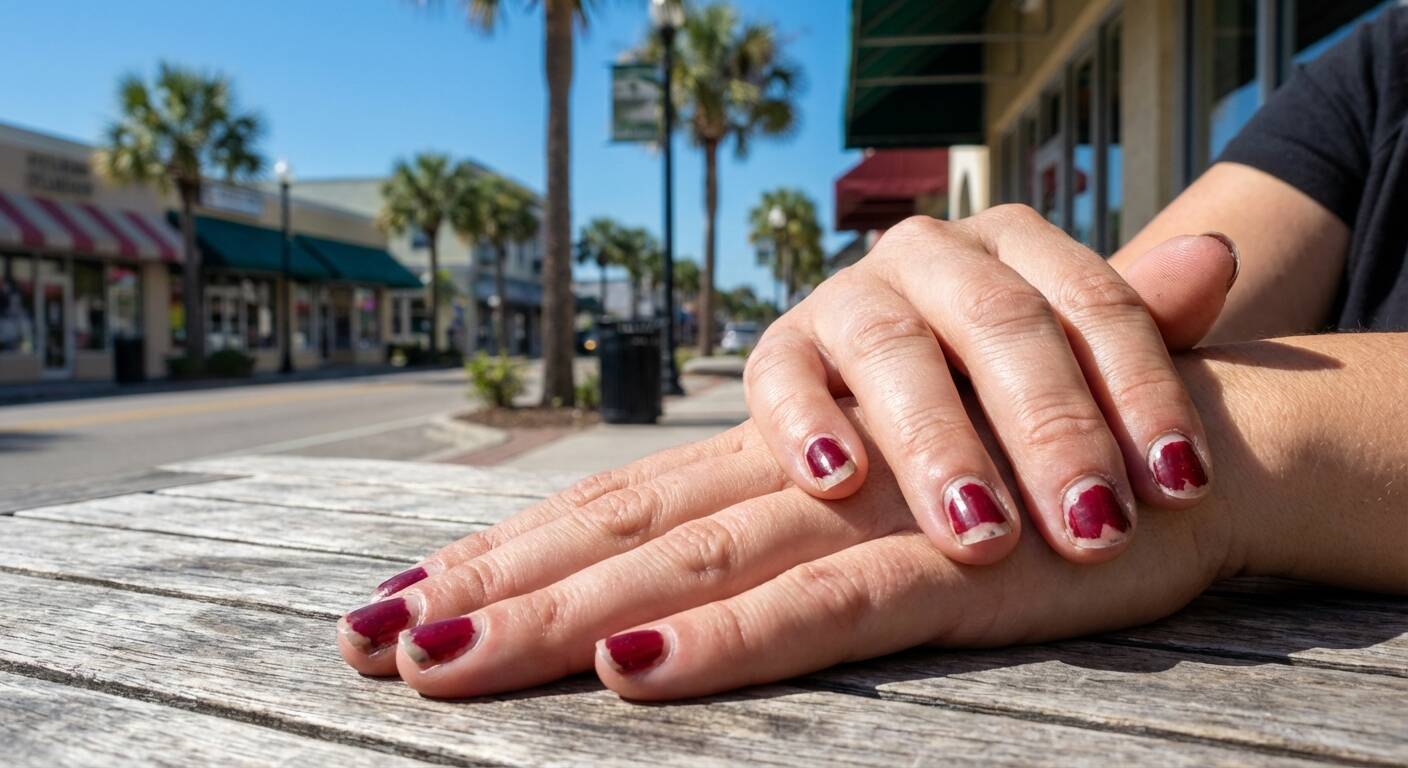
Chips aren't just ugly. They're entry points. Once the seal breaks, everything from soap to dirt to cleaning chemicals can work their way under the polish and sit against your nail bed. That's where staining happens. That's where nails start to yellow or develop ridges.
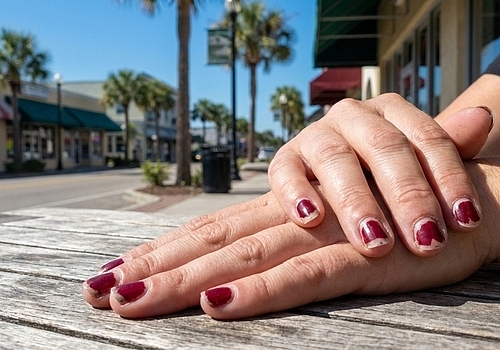
If your polish is chipping within the first few days, something's off. Either the application was rushed, the base coat was skipped, or your nails weren't prepped right. But if it's been a week or more and the edges are fraying? That's normal wear. Time to strip it down and start fresh.
When the Gap Shows, the Clock's Ticking
Your nails grow whether you're paying attention or not. And once that gap between your cuticle and the polish line gets wide enough to notice, you're past due. It's not just about aesthetics — though let's be honest, visible regrowth looks sloppy. It's about the fact that exposed nail is now unprotected while the rest is still sealed.
That uneven coverage creates weak points. The polish near the cuticle can lift. Moisture gets trapped underneath. And if you're someone who picks at loose edges, you're practically inviting peeling and breakage. We've worked with clients in St. Cloud who thought they were saving time by stretching their manicures. They weren't. They were just creating more problems to fix later.
What Happens When You Wait Too Long
Leaving polish on for weeks at a time doesn't just look bad. It changes the texture of your nails. The longer polish sits, the more it bonds with the keratin. When you finally remove it, you're not just taking off color — you're stripping a layer of your nail with it.
Here's what prolonged wear does to your nails:
- Stains the nail plate, especially with darker or red-toned shades
- Dries out the nail bed, making nails brittle and prone to splitting
- Traps moisture underneath, creating a breeding ground for fungus
- Weakens the natural nail structure, leading to peeling layers
- Makes removal harder and more damaging when you finally get around to it
Gel Lasts Longer But Demands More Respect
Gel polish is tougher. It holds up better. But that doesn't mean you can ignore it for a month. Gel needs to be removed properly or it'll rip your nails apart. And if you're letting it grow out until it's halfway up your nail, you're asking for lifting, peeling, and potential infection.
We recommend changing gel every two weeks, max. Not because it stops looking good, but because your nails need a break. Even a day or two without polish gives your nails a chance to rehydrate and recover. Skip that step too many times and you'll end up with nails so thin they bend like paper.
The Right Way to Swap Your Polish
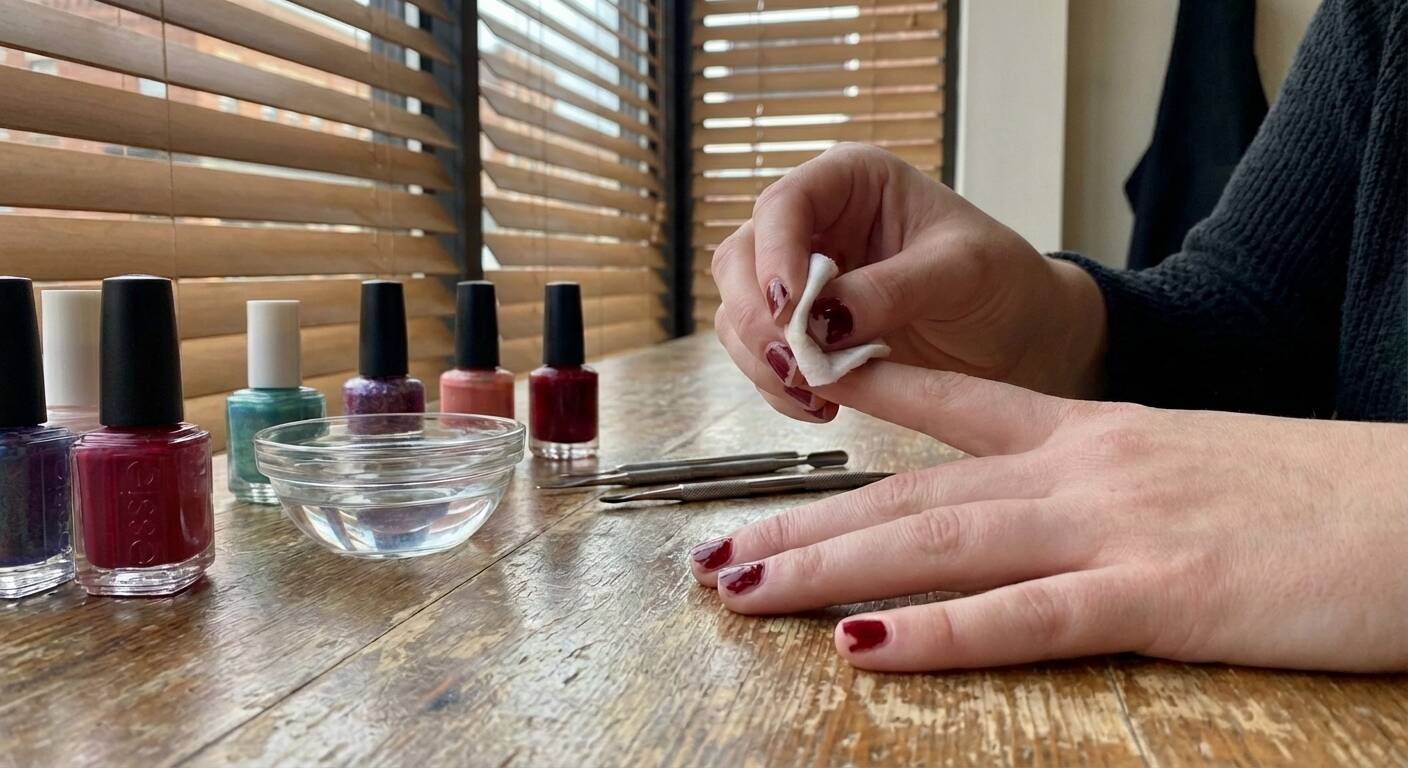
Changing your polish isn't just about color. It's about doing it in a way that doesn't wreck your nails in the process. Use a remover that's acetone-free if you can. Acetone works fast, but it's brutal on your nail bed and the skin around it.
Here's how to do it without causing damage:
- Soak a cotton pad with remover and press it onto the nail for a few seconds
- Wipe gently in one direction — don't scrub back and forth
- If polish doesn't come off easily, soak again instead of forcing it
- Buff lightly to smooth the surface, but don't overdo it
- Wash your hands and apply cuticle oil before reapplying polish
St. Cloud Salons Know What They're Doing
If you're getting your nails done professionally in St. Cloud, make sure the salon isn't rushing through removal. A good tech will take the time to soak off gel properly, not pry it off with a tool. They'll prep your nails with a base coat that actually protects. And they'll use quality polish that doesn't chip in two days.
Ask questions. Find out what products they use. Check if they sanitize tools between clients. A cheap manicure isn't a deal if it leaves your nails worse off than when you walked in. You can view examples of professional work in our photo gallery to see what quality results look like.
DIY Doesn't Mean Sloppy
Doing your nails at home is fine — as long as you're not cutting corners. Skipping the base coat, piling on thick layers, or using old polish that's gone gummy will all lead to faster chipping and weaker nails.
Invest in decent tools. A good file, a proper remover, and a base coat that actually works will save you time and frustration. And if your polish is more than a year old, toss it. Separated, thick, or clumpy polish doesn't just look bad — it damages your nails.
When to Let Your Nails Go Bare
Sometimes the best thing you can do is nothing. If your nails are peeling, discolored, or just feel weak, give them a week off. No polish. No gel. Just clean nails, cuticle oil, and time to recover.
We get it — bare nails feel unfinished. But a week of recovery now beats months of trying to repair damage later. Your nails will grow back stronger, and your next manicure will last longer because you gave them a chance to reset.
Timing Matters More Than You Think
Polish changes aren't just about vanity. They're about maintaining healthy nails that can actually hold color without breaking down. Whether you're in St. Cloud for work, school, or just living your life, your nails are part of how you show up. Treat them like it.
Don't wait until your polish is half gone and your nails are stained. Don't stretch a manicure until it's doing more harm than good. Change your polish when it needs changing — not when it's convenient. That's how you keep your nails strong, your look sharp, and your routine sustainable for the long haul. For professional nail care services, check out our quick menu to see what we offer, read testimonials from satisfied clients, or contact us to schedule your appointment.
Let’s Keep Your Nails Looking Their Best
Healthy, beautiful nails start with the right care and timing. If you’re ready to give your nails the attention they deserve, let’s make it happen together. Call us at 407-639-3561 or book now and we’ll help you keep your nails strong, polished, and ready for anything.
‹ Back
Recent Posts
-

-
-

-
When It's Time for a Polish Change in St. Cloud
April 17, 2026
-